
ALPIMS • Migraine and the bigger picture
Physical Wellbeing with Migraine
Exploring the NIH toolkit, with adaptations for migraine and overlapping conditions.
Choose one illustrated card. Open its coloured accordion for practical tips, migraine notes and ways to adapt the advice to your needs.
Rest, receiving help and changing an expectation can support wellbeing. Migraine attacks are not evidence that you failed at wellness.
External links open in a new tab, keeping ALPIMS open. The card illustrations and six topic headings come from NIH; summaries and adaptations are written for ALPIMS. This page is not an NIH, NHS or SWHR product or endorsement.
How this connects with migraine wellness
The NIH toolkit offers broader physical-health ideas. SWHR’s migraine toolkit uses SEEDS: Sleep, Eat, Exercise, Drink and Stress. Food, movement and routines overlap; sleep, hydration and recovery also deserve attention. This page brings those perspectives together without turning general health targets into personal prescriptions.
Through an ALPIMS lens, advice can account for sensory and neurodevelopmental needs, autonomic symptoms, pain, joint support, immune conditions and emotional wellbeing. ALPIMS is an organising lens, not a diagnosis or a proven combined treatment.
Six NIH areas—with migraine adaptations

Get active
Explore movement that fits your health, access needs and available energy.
Open tips + migraine / ALPIMS adaptations
Starting points
- Choose a realistic activity goal if activity is appropriate for you.
- Find an accessible setting and a form of movement you enjoy.
- General population activity targets are not personal prescriptions.
Make it fit your needs
- Migraine: choose tolerable movement between attacks, with food and fluids available. Exercise can trigger symptoms for some people; modify the setting or intensity. During an attack, rest may be more appropriate.
- ME/CFS or post-exertional malaise (PEM): activity can cause delayed worsening. Do not push through symptoms or follow fixed increases. Seek a plan that stays within your energy limits.
- POTS or mobility needs: stairs, standing desks and walking meetings may be unsuitable. Ask about supported positions and accessible alternatives; coexisting PEM takes priority.
- Sensory needs or pain: choose a tolerable environment and adapt or stop an activity that worsens symptoms.
- Asthma: follow your written asthma action plan, including prescribed advice before exercise. Keep your reliever available and discuss activity-related symptoms with your clinician.
- Allergy or environmental sensitivity: choose activity settings with fewer personal triggers, such as pollen, smoke, dust or strong fragrances. Indoor and outdoor settings each have different exposures.
Future ALPIMS resources
Movement within your limits — Coming soon Activity, PEM & recovery — Coming soon Asthma & physical activity — Coming soon Choosing a suitable activity environment — Coming soon
Maintain your muscle
Support strength and everyday function with an individual approach.
Open tips + migraine / ALPIMS adaptations
Starting points
- If strength work is suitable, begin with a manageable load and controlled movement.
- Get help with technique; do not hold your breath while lifting.
- Review the plan if you experience joint pain, exhaustion or worsening symptoms.
Make it fit your needs
- Migraine: avoid straining or pushing through headache. Seek medical advice for new or persistent exercise-related headache. Strength work is optional and should fit your wider health needs.
- ME/CFS / PEM: strength training is not a required wellness task. Rest and assistance may be the appropriate starting points.
- Hypermobility or joint pain: request individual guidance on joint support, technique and load rather than copying a generic workout.
- POTS or disability: discuss supported positions and suitable equipment with your clinician or physiotherapist.
- Asthma or environmental sensitivity: gym fragrances, cleaning sprays and dusty equipment may make a setting unsuitable. Request a suitable space or consider an accessible alternative.
Future ALPIMS resources
Strength, joint support & hypermobility — Coming soon Accessible movement & equipment — Coming soon Working with a physiotherapist — Coming soon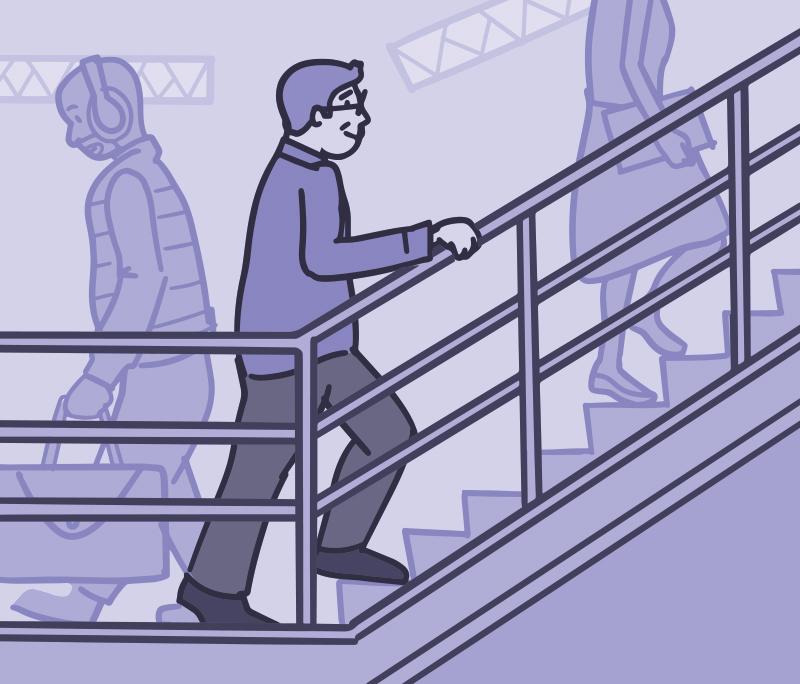
Find a healthy weight
Discuss weight and nutrition in the context of your whole health.
Open tips + migraine / ALPIMS adaptations
Starting points
- Ask whether a weight-related goal is appropriate for your situation.
- Choose achievable food and activity changes with professional support.
- Health is broader than a number; review nutrition, function and wellbeing too.
Make it fit your needs
- Migraine: regular nourishment takes priority over skipping meals or restrictive dieting. There is no single migraine diet. A weight goal should not undermine nutrition or your treatment plan.
- Eating-disorder history or distress around weight: calorie counting and frequent weighing may be unsuitable. Ask for an approach that supports nourishment and mental health.
- Restricted intake, unintentional weight change or medication effects: seek assessment rather than assuming that weight loss is needed.
- ME/CFS / PEM or disability: do not increase activity beyond your limits to meet a weight target.
- Food allergy: keep necessary allergen avoidance and adequate nutrition central to any weight plan. A dietitian can help find suitable replacements.
Future ALPIMS resources
Nourishment & weight concerns — Coming soon Eating difficulties, ARFID & food anxiety — Coming soon Medicines & changes in weight — Coming soon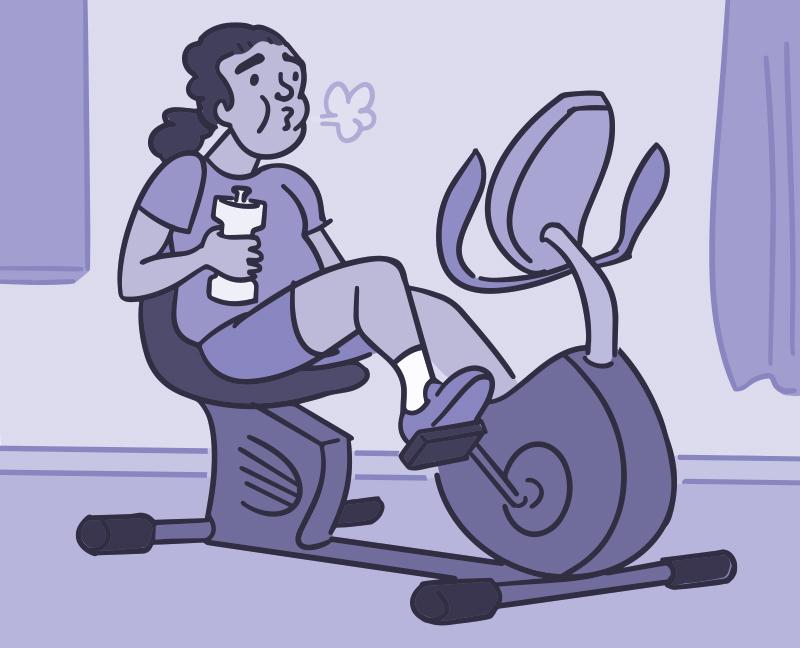
Mind your metabolism
Support nutrition, sleep and health checks as your needs change.
Open tips + migraine / ALPIMS adaptations
Starting points
- Choose nourishing foods that you tolerate and can obtain.
- Support sleep and discuss changing health needs at routine appointments.
- Seek support to reduce tobacco or alcohol use if relevant.
Make it fit your needs
- Migraine: steadier meals, accessible fluids and support for sleep may help everyday management. Discuss sleep apnoea, insomnia or medication effects rather than treating fatigue as a motivation problem.
- Fatigue or brain fog: simplify shopping, meals and appointments; ask for help rather than adding a complicated routine.
- POTS, heart or kidney conditions: fluid and salt needs can differ. Follow your care plan instead of generic advice to drink more or reduce salt.
- PEM or pain: metabolic goals do not justify pushing through worsening symptoms.
- Asthma or allergy: continue prescribed treatment and routine reviews. Wellness habits do not replace preventer medicines or allergy management.
Future ALPIMS resources
Sleep & physical health — Coming soon Hydration & individual salt needs — Coming soon Health reviews & medication support — Coming soon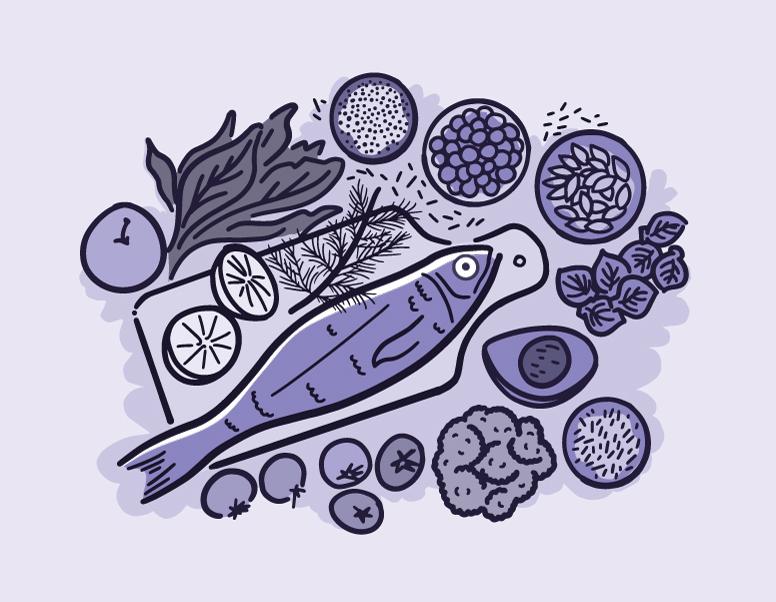
Eat a healthy diet
Make nourishment practical, accessible and suited to your needs.
Open tips + migraine / ALPIMS adaptations
Starting points
- Choose a range of foods you can tolerate and access.
- Use convenient, frozen or prepared foods when they make meals possible.
- Make changes gradually and seek individual advice when needs are complex.
Make it fit your needs
- Migraine: make meals regular and keep a tolerated snack available. Avoid broad trigger-food exclusions; seek dietetic support when several restrictions overlap.
- Autism, sensory needs or ARFID: familiar textures and safe foods can be a starting point. Seek dietetic support if intake is limited; avoid pressure to try foods.
- Food allergy, suspected MCAS or gastrointestinal symptoms: follow assessed needs and seek help before broad food exclusions.
- POTS or prescribed diets: salt, fluid, fibre and other targets need to fit your individual care plan.
- Food allergy: check ingredients and cross-contact risks, use nutritionally suitable alternatives, and follow your allergy action plan. Do not trial a known allergen as a wellness exercise.
- Environmental sensitivity: make food preparation tolerable by reducing strong smells and unnecessary sprays, with ventilation suited to outdoor pollen and pollution conditions.
Future ALPIMS resources
Eating to support health — Coming soon Food allergy, coeliac disease & intolerance — Coming soon Easy meals & food preparation — Coming soon Eating difficulties & sensory needs — Coming soon
Build healthy habits
Choose small, flexible routines and make support easier to access.
Open tips + migraine / ALPIMS adaptations
Starting points
- Start with one manageable change and make it easier in your environment.
- Use reminders, practical help or a shared routine if useful.
- Adjust expectations as capacity changes; progress need not be linear.
Make it fit your needs
- Migraine + ADHD: use one visible reminder for a meal, drink or agreed medicine schedule. Break preparation into one small step and ask for practical help. A timer is optional; fixed work periods do not override PEM limits.
- ADHD or executive-function needs: use one visible cue, fewer steps and practical support rather than relying on willpower.
- Fluctuating illness or PEM: keep a lower-demand version of each routine; rest can be part of the plan.
- Trauma or perfectionism: choose a routine that preserves consent and flexibility. Tracking is optional if it adds distress.
- Asthma, allergy or environmental sensitivity: build routines around prescribed care and practical trigger reduction. Choose tolerated products; fragrance-free does not guarantee that a product will suit everyone.
- Keep environmental changes manageable: reduce smoke and unnecessary air fresheners, address damp or mould, and ask for help with tasks that provoke symptoms.
Future ALPIMS resources
Making routines easier — Coming soon Reducing environmental triggers — Coming soon Asthma & allergy care routines — Coming soon Practical support for daily living — Coming soonSleep, hydration & recovery also matter
Open: Sleep difficulties and sleep disorders
Support a reasonably steady sleep rhythm and a familiar wind-down routine, with flexibility for illness and sensory needs.
Sleep apnoea: snoring, breathing pauses, gasping or marked daytime sleepiness warrant assessment. Morning headache should not automatically be attributed to migraine.
Insomnia, restless legs or sleep timing: persistent problems may need specific treatment. CBT-I can help insomnia; adapt it to disability and other conditions. Ask about restless legs assessment rather than starting iron yourself.
ME/CFS / pain: daytime rest may be necessary. Generic “bed only for sleep” rules need individual adaptation.
Open: Sleep medicines, supplements & melatonin
Assess the sleep problem first. Medicines do not replace assessment for sleep apnoea or restless legs.
Autism: melatonin may help some sleep difficulties; evidence and prescribing guidance are stronger in children and adolescents than autistic adults. Australian approvals vary by age, product and indication.
Migraine: prevention studies have mixed results. Melatonin is not an established treatment for everyone with autism and migraine.
Ask a clinician or pharmacist about timing, formulation, interactions and next-day drowsiness, dizziness or headache. Sedating antihistamines, sleeping tablets and herbal products also need review. Do not abruptly stop a prescribed medicine.
TGA: melatonin in Australia External site ↗Open: Fluids, caffeine and individual needs
Keep a tolerated drink accessible. Use fluid amounts that fit your care plan; POTS, heart and kidney conditions can change appropriate fluid and salt advice.
If reducing caffeine, make changes gradually to avoid withdrawal headache. Alcohol may trigger attacks for some people; avoiding it is an option.
Do not cut prescribed fluids to follow a generic bedtime rule. Ask for help with timing if night waking is a problem.
Open: Rest, reduce demands and pace
Break demands into manageable parts and protect recovery time. Practical help, sensory comfort and fewer obligations can support daily life.
Stress can affect migraine, but attacks are not simply a failure to cope. Emotional support complements migraine care.
With PEM, account for delayed worsening and total physical, cognitive and social demand. Follow individual energy limits.
Making daily care easier with ADHD or brain fog
Knowing what might help and being able to do it are different things. Practical support can make routines more accessible.
Open: Small steps, reminders and help
- One central place: use a notebook, calendar or visual list for reminders.
- One smaller step: “choose a snack” may be easier than “organise meals.” One step can be enough.
- A gentle cue: choose a quiet alert, written prompt or trusted person to help with starting or stopping.
- Timers are optional: the NHS 25-minute example is not an activity prescription. With PEM, use your energy-management plan.
- Choose suitable stimulation: music helps some people; others need quiet. Avoid adding sound or glare that worsens symptoms.
- Make meals easier: keep a few familiar, tolerated options available and accept help preparing them.
- Support without pressure: quiet company or help with a first step may be useful. Ask what is welcome.
- Medicine reminders: link to a routine only if it fits prescribed timing and food instructions. Discuss changes in sleep, appetite or headaches with your prescriber.
Difficulty following routines is not a personal failure. These ideas can be useful before diagnosis; they do not diagnose ADHD.
Leicestershire Partnership NHS Trust: ADHD strategies and support External site ↗The wider NIH toolkit collection
NIH’s Your Healthiest Self collection also explores emotional wellbeing, relationships, surroundings and disease prevention. These areas could form a companion ALPIMS page, with migraine adaptations and links back to this physical wellbeing page.
NIH: Your Healthiest Self — Wellness Toolkits External site ↗Resources and further reading
- NIH: original Physical Wellness Toolkit External site ↗
- SWHR: Living Well with Migraine External site ↗
- Harvard Adult Autism Health: migraine headaches External site ↗
- NICE: ME/CFS energy management External site ↗
- NHS: POTS External site ↗
- NHS: fibromyalgia treatment External site ↗
- Neurosymptoms: headache and FND External site ↗
- National Asthma Council: exercise and asthma External site ↗
- ASCIA: food allergy and dietary avoidance External site ↗
Asthma, allergy and environmental sensitivity are not interchangeable diagnoses. Symptoms around an exposure do not by themselves establish allergy or toxic injury. Sources inform individual care; ALPIMS accessibility suggestions are not independently proven treatments for every condition mentioned.
Medical care still matters
Continue prescribed migraine treatment. Discuss disabling or frequent attacks, a changing headache pattern, persistent sleep problems or increasing use of attack medicines with your clinician.
Call 000 in Australia for a sudden extremely severe headache, new one-sided weakness or speech difficulty, severe breathing difficulty or suspected anaphylaxis. Do not assume new symptoms are your usual migraine or FND.