ALPIMS · Everyday wellbeing
Play, create
& enjoy
Make room for curiosity, interests and small moments of enjoyment—in ways that fit you.
No performance. No need to finish.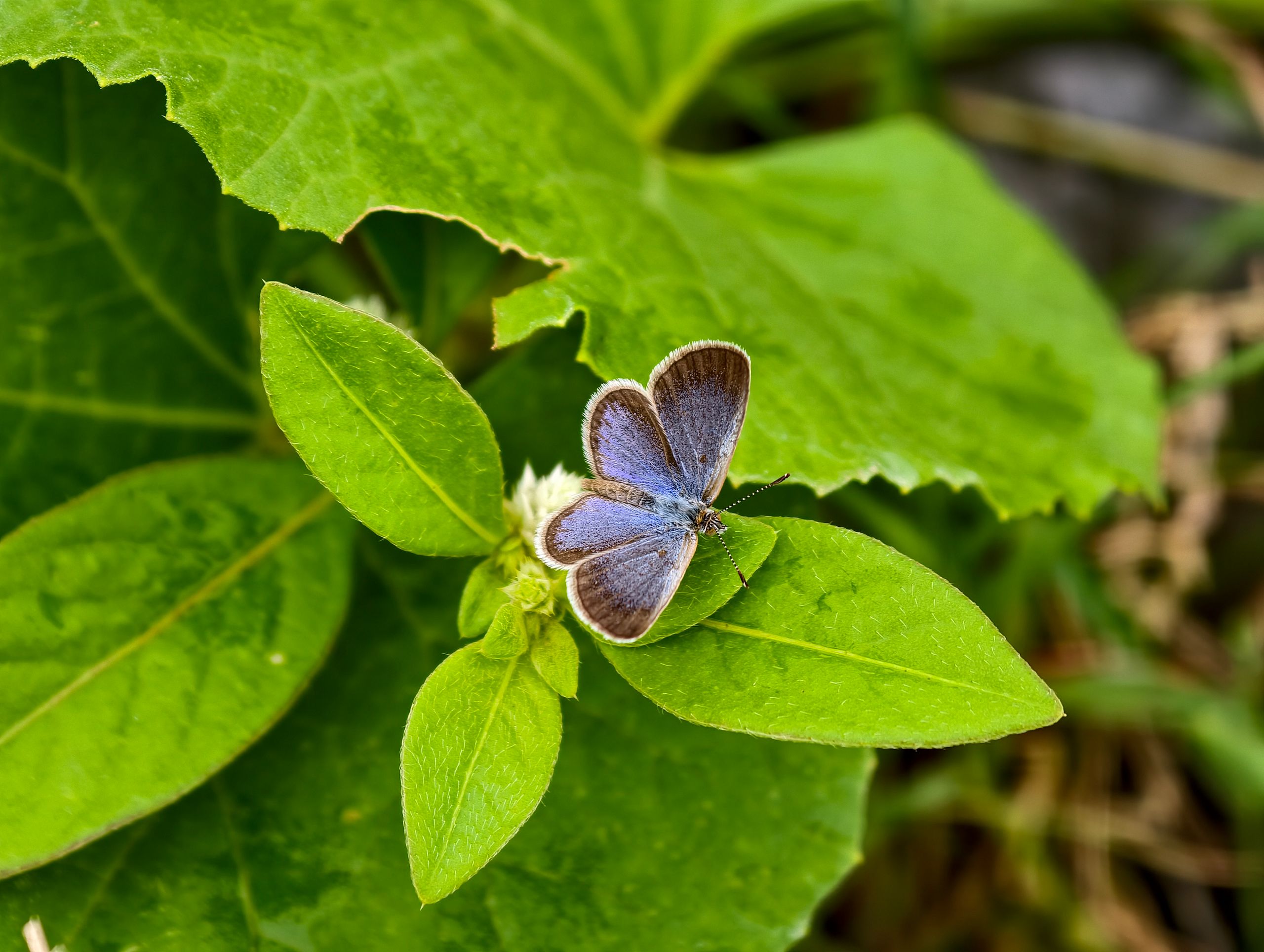
Room for what matters
You do not have to earn enjoyment.
Play can mean exploring an interest, making something, enjoying a game, being curious or sharing a light-hearted moment. It can be quiet, familiar, solitary or shared. There is no right way to enjoy yourself.
Choose something because it appeals to you. You do not need to improve a skill, create a useful product or feel cheerful afterwards.
These are optional ideas, not a treatment programme. Enjoyable activities can still use physical, mental, sensory and social energy.
Play & the ALPIMS domains
Open a guide for adaptations. These domains help consider needs; they do not explain everyone’s experience.
More ideas & practical support
Open only what feels useful.
A gentle play check-in
Choose a box for ideas that fit your situation. This is not a diagnostic test. Nothing is saved.
Quiet enjoyment & familiar favourites
- Look at a favourite picture, object or view.
- Revisit a familiar story or programme if the input suits you.
- Enjoy a collection, special interest or memory without explaining it.
- Listen to a little music or audio only if comfortable.
Quiet does not automatically mean low effort. Sound, screens and concentration can still be demanding.
Creativity, crafts & homemade things
- Choose colours or materials without starting a project.
- Doodle, arrange pictures or make a few stitches if comfortable.
- Adapt a craft with easy-grip tools, supported arms or someone preparing materials.
- Use what you have, reuse materials or try a simple repair if it appeals.
Respect different skills and capacities. Homemade is an option, not an obligation. Avoid materials, scents or tools that cause problems for you.
Games, curiosity & special interests
Try a familiar puzzle, a turn-based game, sorting a collection or exploring a topic you love. Repetition can be enjoyable; novelty is optional.
Choose adjustable sound and brightness, clear rules, pause points and manageable complexity. Games do not need to be competitive. Screens can be useful tools as well as sources of input.
Nature, pets & the world around you
Enjoy a view, watch wildlife, notice a plant or spend time near a familiar animal if that suits you. A window view can be more accessible than an outing.
Consider heat, pollen, fragrances, noise and access. Nature is not automatically calming or comfortable for everyone. Caring for plants or animals also brings tasks; help can make participation possible.
Connection without pressure
Try quiet company, one shared joke, a short message or an activity alongside someone without needing conversation.
Agree that stopping, leaving or not replying is allowed. Sharing enjoyment should not require masking discomfort, forced humour or being cheerful for others.
ME/CFS & PEM: enjoyable can still be demanding
Reading, gaming, crafting, conversation and outings can all use energy. With ME/CFS, enjoyable activities can still trigger post-exertional malaise (PEM). Symptoms may worsen later, so how an activity feels at the time is not the whole picture.
Fit enjoyment within your individual energy plan. Consider setup, travel, input, clean-up and recovery as well as the activity itself. There is no requirement to add activity or increase duration.
For severe illness, even suggested small activities may be too much. Comfort, quiet and appropriate care can be the priority.
Make starting—and stopping—easier
- Keep a small activity box with familiar materials.
- Ask someone to help with setup and put-away.
- Choose an activity you can pause without losing progress.
- Use an optional reminder or agreed check-in if it helps you stop.
An unfinished activity can stay unfinished. You do not have to turn every interest into a project, income or achievement.
When enjoyment feels out of reach
Exhaustion, grief, illness, distress and limited access can make enjoyment difficult. Do not add pressure to have fun. Start with comfort, company or practical help if that fits better.
If loss of interest or pleasure persists, or you feel increasingly hopeless, talk with a GP or trusted professional. Play ideas do not replace care or fix inaccessible circumstances.
Resources & related ALPIMS pages
Sources support general wellbeing, adaptations and energy management. The play examples are practical suggestions, not claims that play treats all six domains.
General information for adults. Adapt ideas to your health, preferences and care plan. External resources open in a new tab.