ALPIMS · Everyday wellbeing
Eat, nourish
& enjoy
Make eating manageable, nourishing and comfortable within your preferences, budget and dietary needs.
Nourishment first. Less pressure.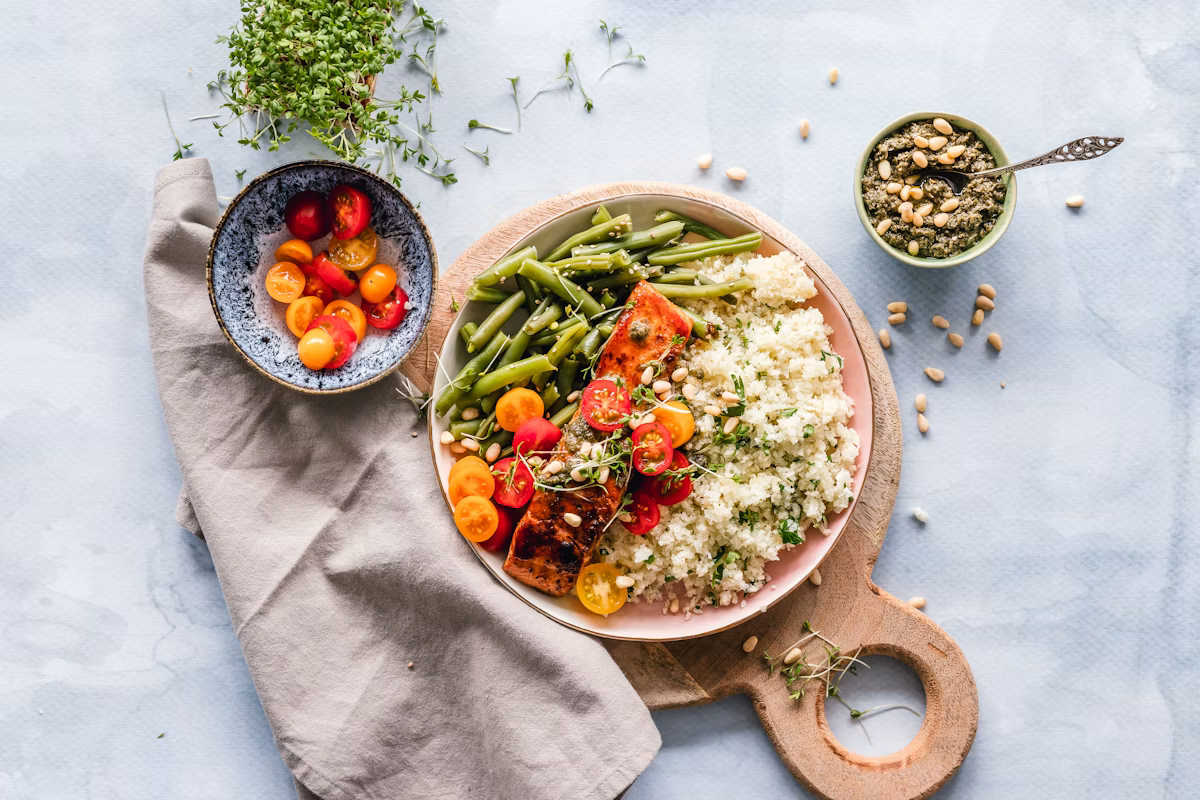
A flexible foundation
Enough food. Manageable meals.
Start with enough nourishment and regular opportunities to eat. Familiar foods, convenient options and practical help can make this possible. You do not have to prepare everything from scratch.
Build variety where tolerated. Eating can support health and enjoyment without becoming another complicated set of rules.
Food needs are individual. A food pictured here is not suitable for every allergy, intolerance or medical diet.
Eat & the ALPIMS domains
Explore the needs that matter to you. Domains overlap; they do not prescribe six different diets.
More information & practical support
Open only what is useful today.
A gentle eating check-in
Choose a box for relevant ideas. This is not a diagnostic test. Nothing is recorded or saved.
Nourish regularly & build variety
Regular meals or snacks may make it easier to meet your needs and avoid long gaps. A reminder, ready-to-eat food or someone bringing a meal can help.
Where suitable, include foods across the five food groups: vegetables and legumes; fruit; grains; protein foods; and milk, yoghurt, cheese or suitable alternatives. Adapt choices to your care plan and preferences.
Blood sugar: combining carbohydrate with protein or other meal components can be a practical way to build a satisfying meal. If you have diabetes or diagnosed hypoglycaemia, follow individual advice. Feeling shaky or tired does not establish low blood sugar.
Hydration that fits your needs
Keep a suitable drink accessible and drink regularly. Needs vary with health, weather, medicines and activity. Ask for individual guidance if you have a fluid restriction or struggle to drink enough.
PoTS plans sometimes include extra fluids or salt, but these are not recommendations for everyone. Follow your clinician’s advice, particularly with heart or kidney conditions. Electrolyte drinks are not automatically necessary.
Coeliac disease, allergy & food intolerance
These need different approaches. Coeliac disease is an autoimmune condition requiring a strict gluten-free diet after diagnosis. Food allergy can cause serious reactions. Intolerance is different from allergy and may involve dose-dependent symptoms.
- Follow diagnosed dietary requirements and allergy action plans.
- If coeliac disease is suspected, ask about testing before removing gluten. If already gluten-free, seek advice rather than reintroducing it yourself.
- Avoid stacking elimination diets without a plan to protect nutrition and review their usefulness.
- Do not test a known food allergy through exposure at home.
IBS, reflux & IC / bladder pain
Look for individual patterns rather than assuming one avoidance list suits everyone. A dietitian can help preserve nourishment while reviewing possible triggers.
- IBS: a low-FODMAP diet, when appropriate, is a structured trial with reintroduction and personalisation, not permanent removal of every listed food.
- Reflux: meal size and timing may matter. Avoid lying down soon after meals if this worsens symptoms; adapt positioning if you also need rest.
- IC / bladder pain: some people notice food or drink triggers. Keep restriction proportionate and personalised.
Food tolerance can change
Symptoms can vary with illness, medicines and other circumstances. Gut symptoms may also vary with stress or hormonal changes. These changes do not prove an allergy, MCAS or histamine intolerance, and anxiety does not make symptoms imaginary.
Brief notes may help if useful; intensive tracking is optional. Review new reactions and avoid interpreting every flare as a reason to remove another food. Allergy safety rules still apply even on a better day.
ME/CFS: protect the energy needed to eat
Shopping, preparing food, sitting up and eating can all take effort. Use help, delivery, suitable prepared foods, comfortable positioning or easier utensils where needed.
No diet or supplement has been established as a cure for ME/CFS. Seek dietetic support for restrictive intake, unintentional weight change, nausea or difficulty eating. Severe illness may need specialist nutrition support.
Supplements & restrictive diets
Supplements can be useful for a specific need, such as a diagnosed deficiency, but are not automatically beneficial. Ask a clinician or pharmacist about doses, interactions and past reactions.
A plant-based diet can be adapted to individual needs. A vegan diet needs a reliable vitamin B12 source and attention to nutritional adequacy. If food choices are already very limited, get advice before removing another group.
Detoxes, cleanses and commercial food-sensitivity tests should not replace proper assessment. Aim for the least restriction that meets your established health needs.
Recipes & making meals easier
Choose recipes for capacity and preferences first, then check ingredients against your own requirements. A short ingredient list does not guarantee allergy or intolerance suitability.
Use safe food handling and storage. Ask for help if shopping, food access or preparation is the main barrier.
When to seek help
Seek assessment for difficulty swallowing, repeated choking, persistent vomiting, dehydration, unintentional weight loss or inability to meet food needs. Sensory restriction, food fear or eating distress also deserves respectful support.
For suspected anaphylaxis, follow your emergency action plan, use prescribed adrenaline promptly and call 000 in Australia.
General information for adults, not an individual dietary prescription. ALPIMS is an educational framework, not a diagnosis. External resources open in a new tab.